
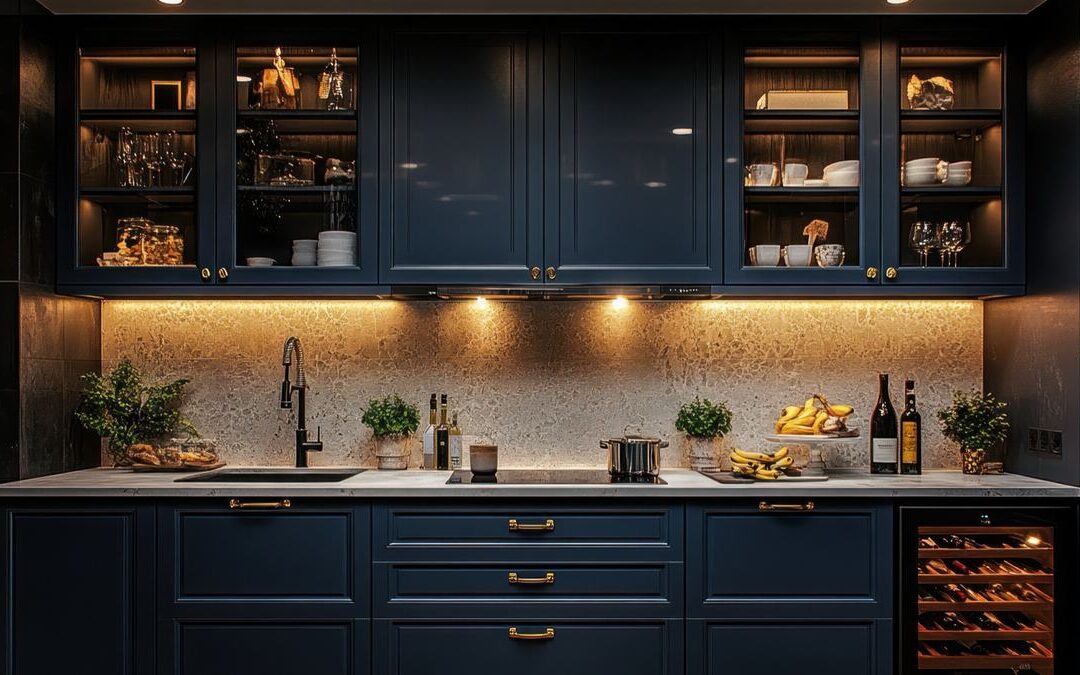
Kitchen cabinets often look tired long before they stop working. When that happens, you have three main options. You can paint them, reface them or replace them. The choice of cabinet refacing versus replacement, with painting as a third path, depends on the condition of the boxes, your layout and the finish you want.
This article compares all three in one place. It covers what each option can and cannot fix, how much disruption to expect and what to check first. It avoids pricing, since local costs depend on scope and products.
Start With the Cabinet Boxes
The boxes are the frames and sides that hold everything together. If they are solid, square and dry, you have more choices. If they sag, swell or come apart, refacing or painting will not solve the problem.
Check under the sink first, since leaks are common there. Water damage often shows up there as swelling, stains or soft spots. Also check shelves for bowing and drawers for loose joints. Damage in these spots usually points toward replacement.
What Painting Can and Cannot Do
Painting changes color and can freshen a dated look. It keeps your existing doors, drawers and layout. As a result, it usually causes the least disruption of the three options.
However, paint does not change door style or fix worn hinges. It also needs careful prep to bond and last. Glossy or laminate surfaces can be harder to paint well.
In addition, if your home dates from before 1978, older finishes may contain lead. The EPA explains that renovation and painting in pre 1978 homes can create lead dust and sets rules for firms paid to do that work. So test first, or hire a firm that follows those rules.
What Refacing Offers
Refacing usually means covering the boxes with a new veneer and adding new doors and drawer fronts. Most refacing jobs also swap the hardware. The result can look like a new kitchen without removing the boxes.
Since the boxes stay in place, the countertops may stay as well. That can reduce disruption. Still, refacing keeps the same layout, the same box sizes and the same interior space. If those are the problems, refacing will not fix them.
Cabinet Refacing Versus Replacement When Layout Matters
Layout is often the deciding factor. If your kitchen works well and you only dislike the look, refacing or painting may fit. On the other hand, if you want a different layout, more drawers, taller uppers or room for new appliances, replacement is usually the path.
Think about how you cook. The article on planning a kitchen around how your household cooks can help you decide whether the current layout serves you. If it does not, new finishes alone will not change daily frustrations.
Countertops and Old Cabinets
Many people hope to keep existing cabinets while adding new counters. Sometimes that works. However, not every older cabinet can support every new countertop. Heavier materials may need added support or level adjustments.
So ask the countertop fabricator to inspect the cabinets before you order. They can tell you whether the boxes need reinforcement. For material differences, see the article on quartz, granite and porcelain countertops.
Cabinet Refacing Versus Replacement for Hardware and Storage
New hinges, soft close slides and pull out organizers can make a big difference. Refacing often includes new hardware. Painting may or may not. Replacement gives you the most freedom to add new interior features.
Check whether your existing boxes can accept the hardware you want. Older frames may not fit some modern hinges or slides without changes.
Questions to Ask Before You Decide
A few questions can sharpen your thinking. First, what bothers you most, the look or the function? Next, how long do you plan to stay in the home? Then, how much disruption can your household handle?
Also ask anyone you consult to explain what each option leaves unchanged. For instance, refacing keeps box sizes, and painting keeps door styles. Knowing these limits up front helps you avoid regrets later.
Disruption and Timing
Painting can often happen with the kitchen partly in use, although drying time matters. Refacing usually takes longer but may leave counters and plumbing in place. Replacement typically removes everything, so the kitchen goes out of service for longer.
Think about how long your household can manage without a working kitchen. For example, a family that cooks every night may value speed more than a couple who eats out often. That answer may steer your choice as much as appearance does.
Making the Cabinet Refacing Versus Replacement Decision
To sum up, use this short guide:
- Choose painting when boxes and doors are sound, the layout works and you mainly want a new color
- Consider refacing when boxes are sound and the layout works, but you want a new door style and hardware
- Lean toward replacement when water has damaged the boxes, the layout does not work or you need different sizes and storage
Then ask for written proposals for each option you like, and compare what each one includes. For budgeting context, read what drives a kitchen remodel budget.