
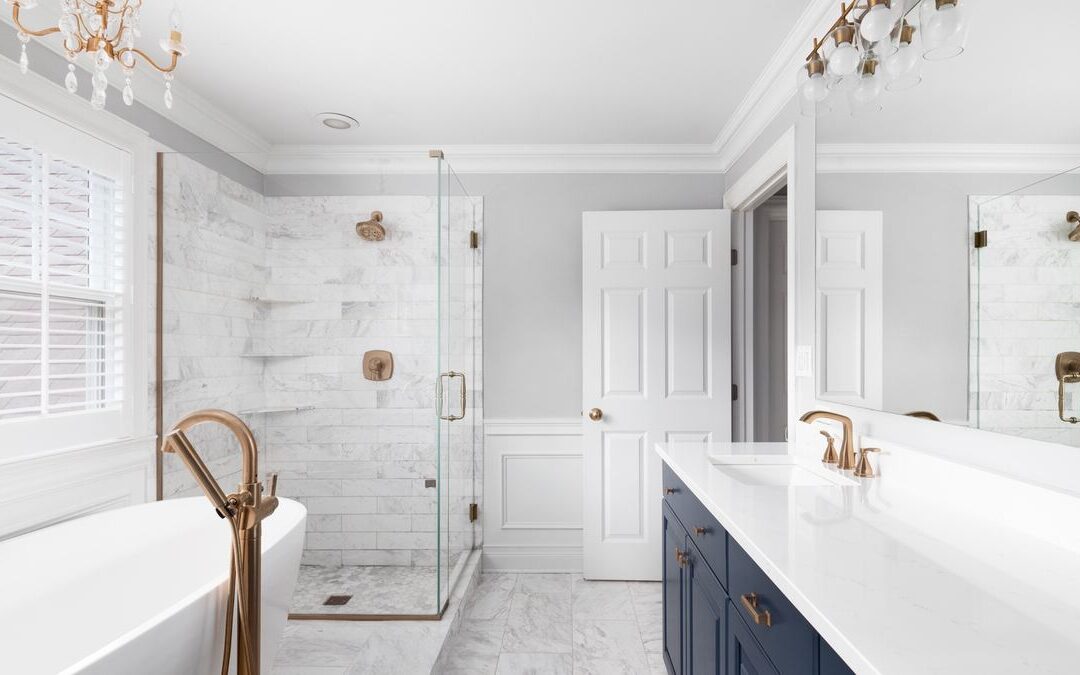
When walls come open during a remodel, you get a rare look at the pipes inside. Repiping during remodeling can make sense in some homes, since access is easy.
In others, the existing pipes may have plenty of life left. This article explains how to weigh the choice.
It focuses on supply pipes, which carry pressurized water to fixtures. Drains, vents and sewer lines are separate systems with their own concerns. Also, this article does not diagnose pipe material from a home’s age alone.
Supply Pipes Versus Drains
Supply pipes bring clean water under pressure to sinks, showers, toilets and appliances. Drains and vents carry used water away by gravity. Sewer lines then carry it to the street or a septic system.
Each system can have different problems, and each needs its own check. For example, a slow drain does not mean the supply lines are failing. Likewise, new supply pipes will not fix a cracked sewer line. So keep them separate when you plan.
Start With a Condition Assessment
A licensed plumber can look at exposed pipes and judge their condition. They may check for corrosion, leaks, past repairs, mixed materials and loose supports. They may also look at shutoff valves and connections at fixtures. In addition, they can note the pipe material in the open walls.
Avoid assuming that an older home always needs new pipes. Some older systems still work well. On the other hand, some newer ones have problems. A real assessment beats a guess based on the age of the house.
Signs Worth Noting Before Repiping During Remodeling
Your own observations can help the plumber. Write down anything you notice, such as:
- Low water pressure at several fixtures
- Rusty or discolored water, especially after the water sits unused
- Repeated leaks or many patched sections
- Noisy pipes or water hammer when valves close
These signs do not prove the pipes need replacement. Still, they give the plumber useful clues. If you have concerns about water quality, contact your water provider for guidance on testing.
Access Changes the Math for Repiping During Remodeling
Access is the main reason to consider repiping during a remodel. Once drywall or tile comes off, a plumber can reach the pipes in those walls without extra demolition. Doing the work later would mean opening finished walls again.
However, a remodel usually opens only part of the house. So you face a choice. You can replace pipes only in the open area, or you can replace more of the system and accept extra wall openings elsewhere.
Compatibility and Transitions
If you replace only part of the system, new pipe will connect to old pipe. The connection points need fittings that suit both materials. Some combinations need special fittings to avoid problems over time.
Ask the plumber how they will handle each transition. Also ask whether partial replacement makes sense for your home, or whether it may just move problems to the next weak spot.
Defining the Scope of Repiping During Remodeling
Clear scope prevents surprises. Decide whether the work covers only the remodeled room, a whole floor or the entire house. Also decide whether it includes the main line from the meter, the water heater connections and outdoor hose bibs.
In the City of Sacramento, re plumbing of supply and drainage piping appears among the city’s minor permit types. The city’s remodel questionnaire also lists water line repiping and drain repiping as separate items. Other cities and the county have their own processes, so check with the office that serves your address.
Restoration After the Pipes
Repiping beyond the remodel area means opening walls or ceilings in other rooms. Those openings then need patching, texture and paint. Sometimes cabinets or fixtures must come off and go back on.
Ask who handles that restoration and whether the price includes it. Also ask whether texture and paint will match, since an exact match on older walls can be hard. Patch work often costs more time than people expect, so a clear answer helps you plan.
Property Tax Notes
Homeowners sometimes worry that new pipes will raise property taxes. The California State Board of Equalization lists replacing galvanized waterlines with copper or plastic among examples of work not considered new construction. However, it also notes that upgrading the capacity of plumbing systems can count as new construction. For your situation, ask the county assessor.
Timing the Work Within the Project
If you choose to repipe, timing matters. The new pipes need to go in after demolition but before insulation and drywall. They also need an inspection while the walls stay open.
So build the plumbing work and its inspection into the schedule from the start. Otherwise, a late decision could delay the whole remodel. In short, repiping during remodeling works best when it is part of the plan rather than an add on.
Making the Call
To decide, gather the plumber’s assessment, your own observations and a clear scope for each option. Then compare doing the work now with doing it later. The article on comparing estimates that include different work can help with that step. If the remodel involves a kitchen, also see what kitchen permit applications need.